
GROUND RULES
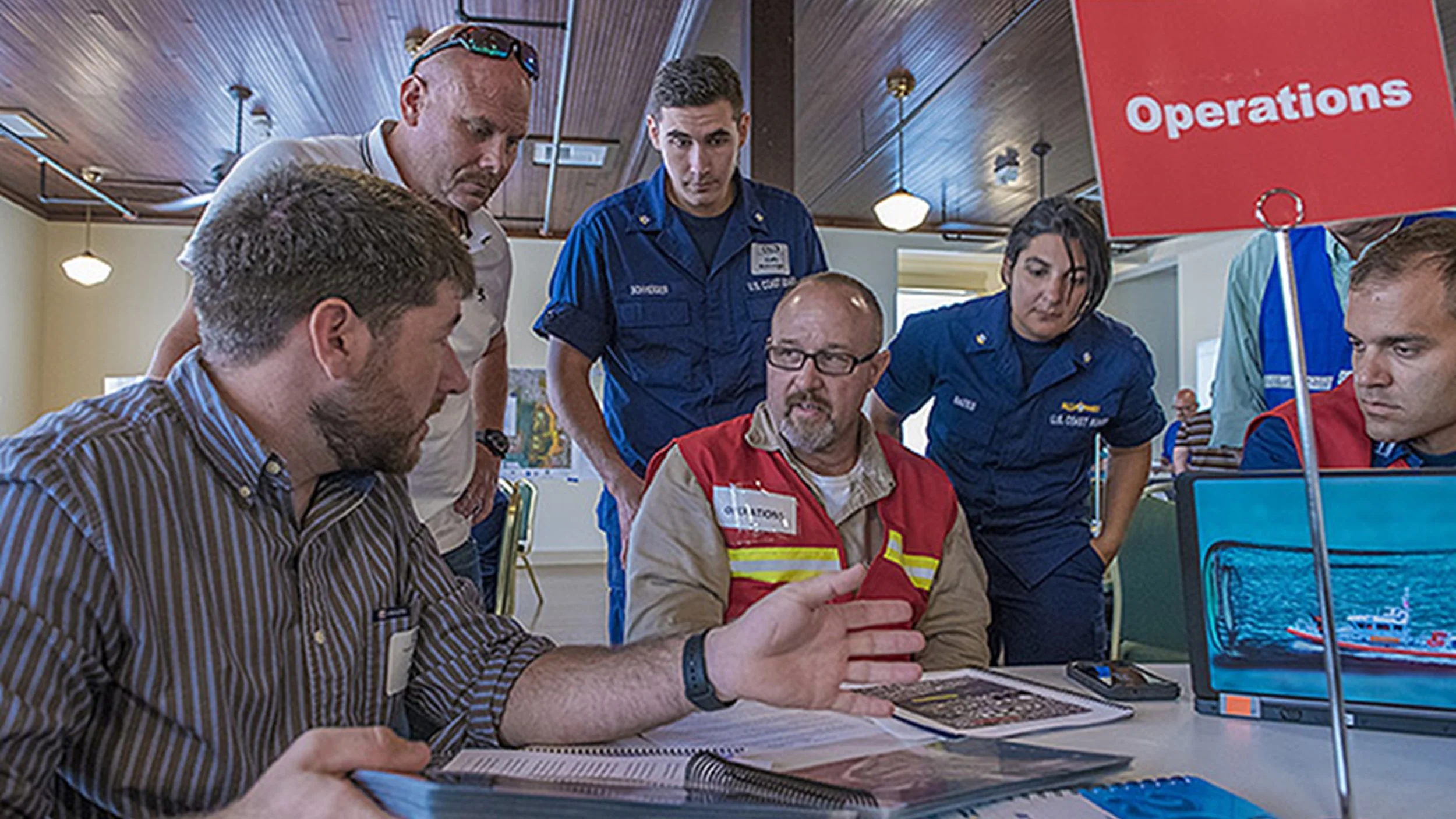
(1) Overview: The exercise is being conducted in a “no-fault” learning environment, wherein systems and processes, not individuals, are being evaluated.
(2) Training Opportunity: The exercise should be viewed, above all other considerations, as a training opportunity. Exercise participants who diligently pursue execution of their responsibilities cannot fail. Everyone involved in the exercise is there to learn and heighten his/her state of preparedness. Exercise participants who are uncertain of their responsibilities or actions are encouraged to ask for help from their fellow exercise participants or exercise facilitators.
(3) Emergencies: Real-world emergencies take obvious precedent over exercise play. The exercise will be suspended in the event of an actual incident or other emergency. Any observed or potential safety hazards must be immediately reported to the exercise facilitators and designated Safety Officer (SOFR). Upon correction, exercise play may resume.
(4) This is a Drill: All internal/external telephone calls and radio transmissions must be prefaced with the phrase “THIS IS A DRILL”. All other written and electronic correspondence, including emails, text messages, ICS forms, maps, notification logs, etc., should be similarly marked. This precaution shall be taken to ensure any individuals who overhear conversations or read drill-related correspondence don’t mistake exercise play for a real-world emergency.
(5) External Communication: In addition to engaging in dialogue with those in attendance, players are highly encouraged to communicate with non-participating agencies, contractors, vendors, and other members of the response community, with the exception of elected officials and news media, as if this was an actual event. This will promote realism and help facilitate a working relationship with those who may become involved in an actual emergency response. However, no materials or supplies should be procured unless so authorized. All actions must be stopped short of expenditures for actual mobilization, purchase, or contract.
(6) Simulation Cell (SimCell): Exercise controllers will relay certain physical descriptions of what is theoretically occurring at the simulated incident site, either verbally or with written materials/illustrations. Such information may include air monitoring readings, spill plume observations, equipment arrival times, wildlife casualties, oil recovery volumes, etc. Any questions regarding simulated aspects of the exercise should be directed to the SimCell. SimCell controllers may also role-play non-participating agencies, stakeholders, contractors, politicians, news media, and public.
(7) Resource Ordering: The SimCell will monitor the status of ordered and on-scene tactical resources.
Tactical Resources: Players should document all resource requests on ICS-213-RR. A carbon copy of the request form should be issued to the SimCell to determine availability of the resource and estimated arrival time (ETA). The ETA will be the time the resource is available for assignment. The SimCell should also be notified of any reassignment of tactical resources.
Non-Tactical Resources: The Logistics Section should contact the actual vendor to determine availability. The SimCell will not track non-tactical resources.
(8) Weather: Unless otherwise noted, actual weather conditions will apply towards the scenario.
(9) Hydrology: Streamflow rates through receiving surface waterways (Chugwater Creek and Laramie River) will be simulated. Water levels in Grayrocks Reservoir will reflect actual (non-simulated) conditions.
(10) Artificialities: Parts of the scenario may seem implausible. Players should recognize certain objectives need to be satisfied, which may require the incorporation of unrealistic aspects.
(11) ICS Vests: Members of the Incident Management Team (IMT) are encouraged to wear color-coded vests, corresponding to their specific ICS function, throughout the exercise:
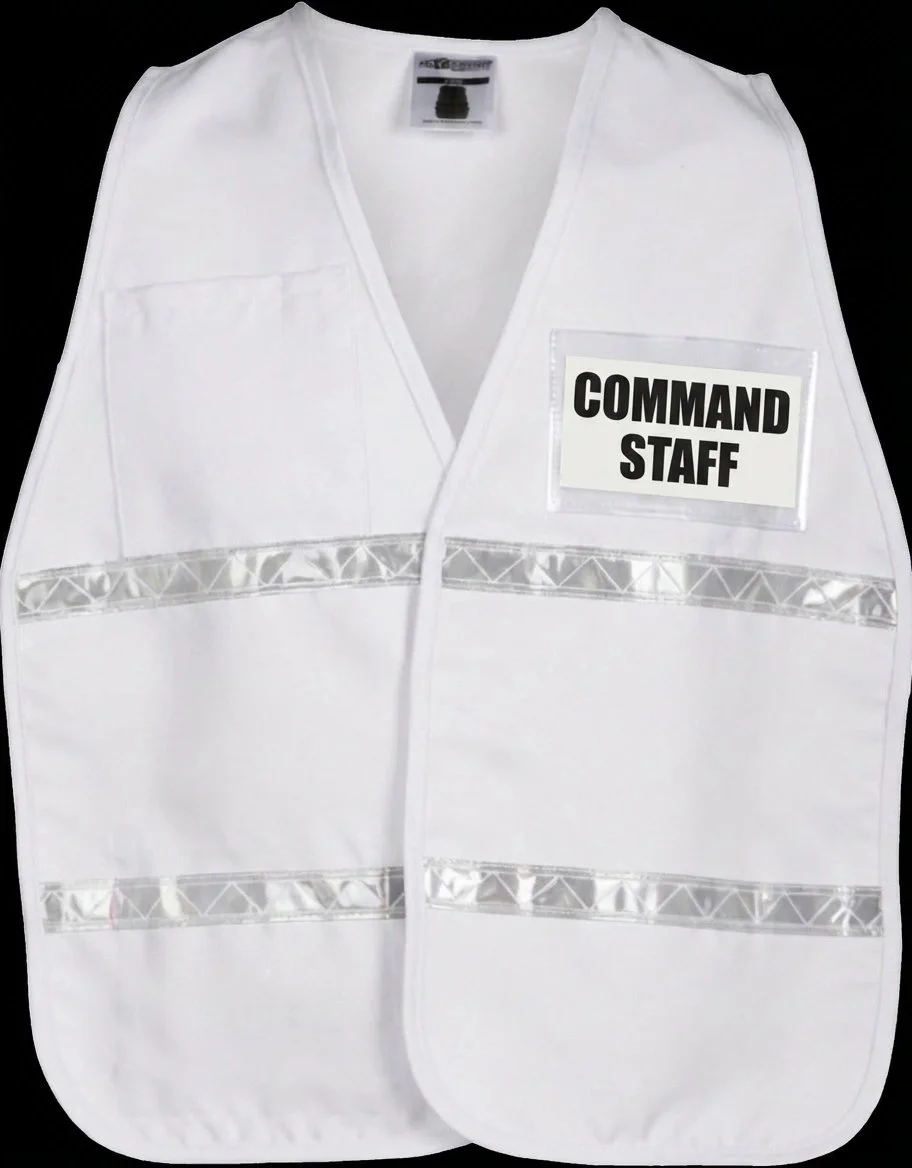
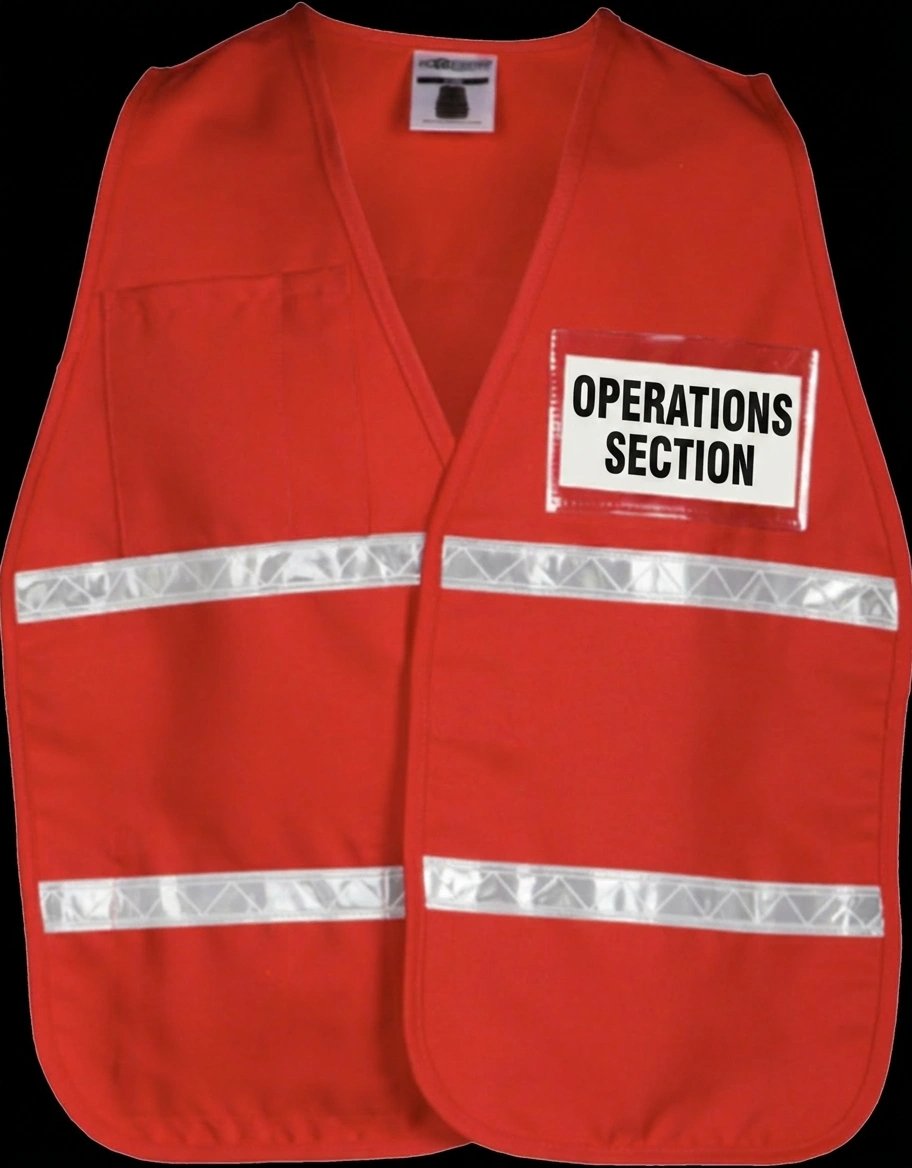
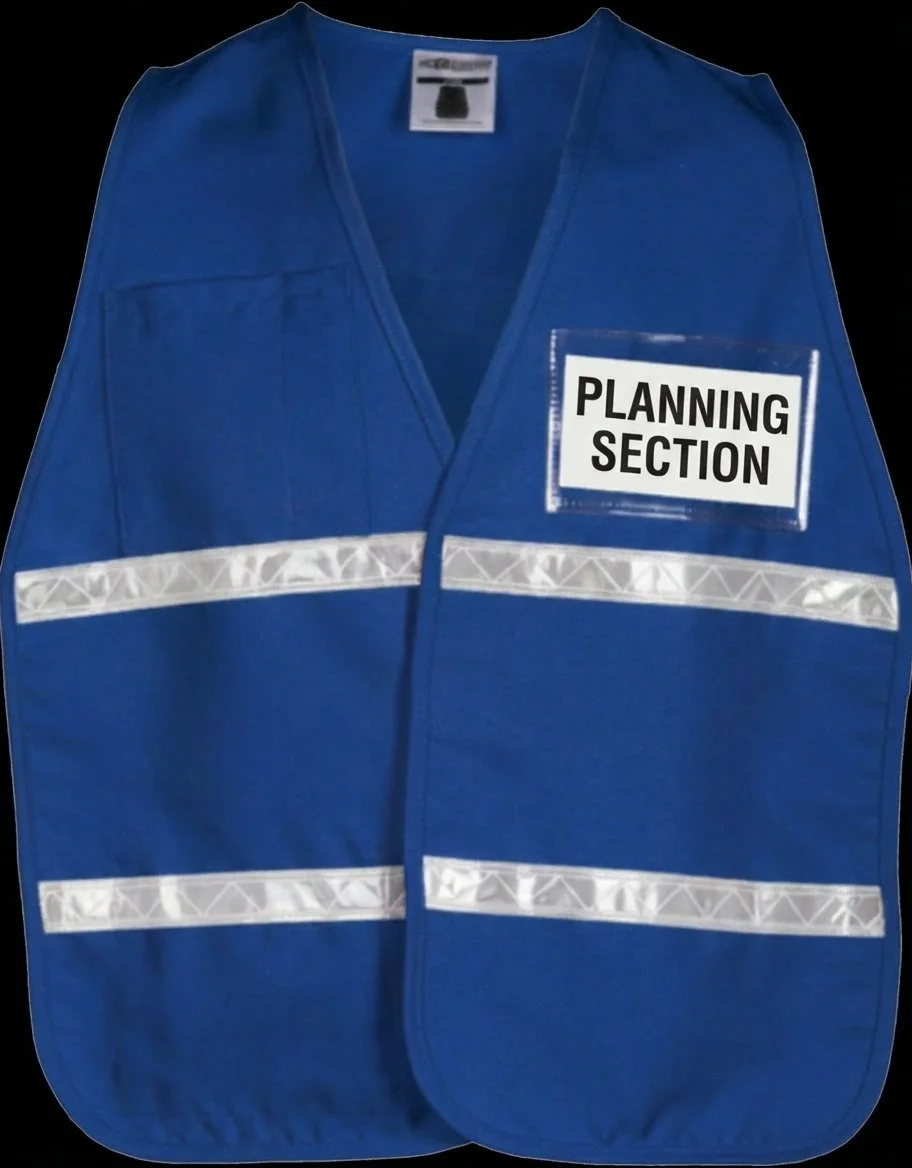


(12) Injects: Various “injects” (formatted as playing cards) will be introduced throughout the exercise. These “injects” present players with information and challenges associated with the incident and are specifically designed to stimulate discussions regarding a particular subject matter. For benefit of the exercise, please react to these scenarios as presented, in the same manner as if the simulated events were real. An example “inject” is provided below.
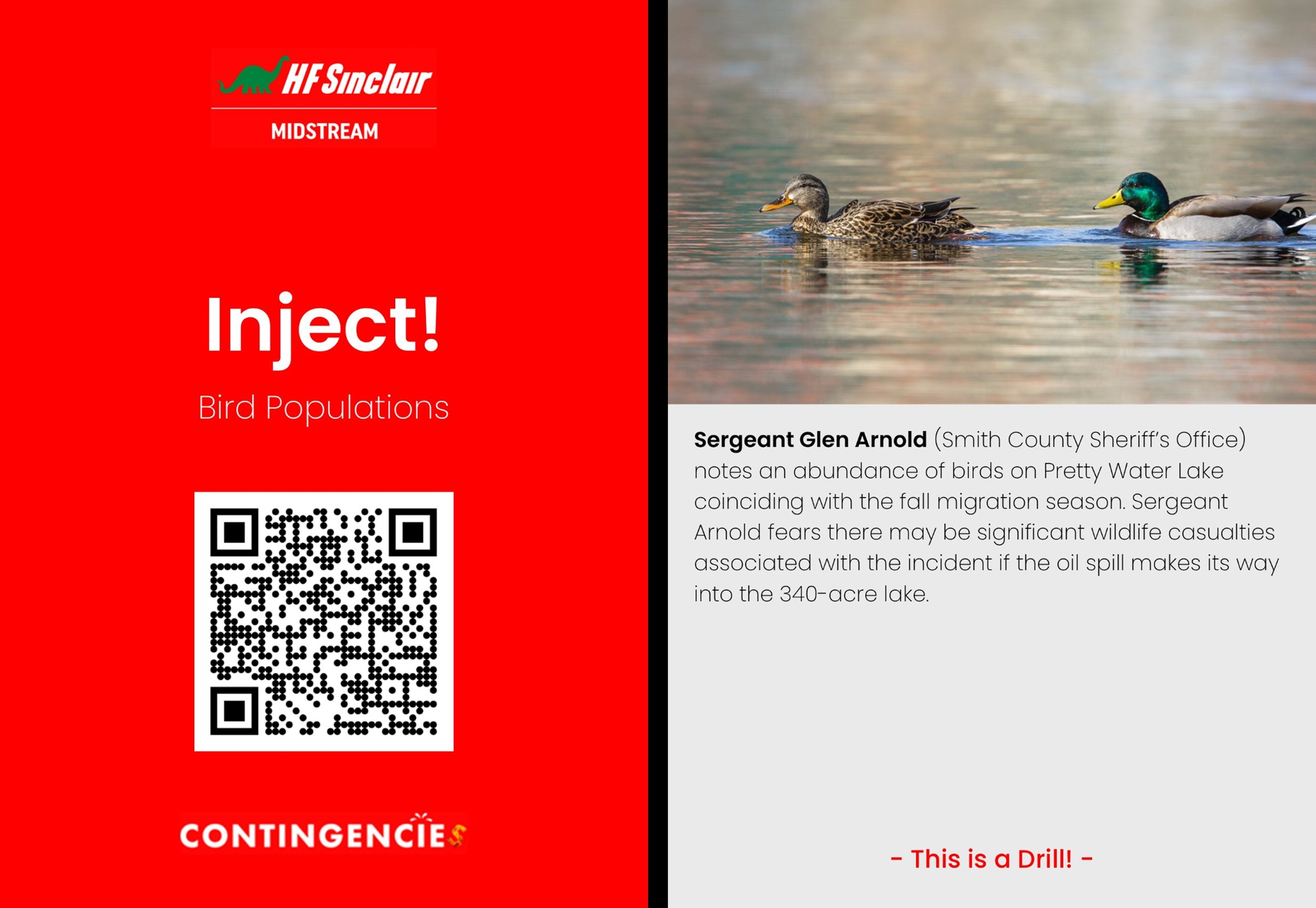
Note: The QR code on the face of the playing card serves as a link to an electronic version of the inject. This will enable players to share the inject and download any PDF documents associated with the scripted event.
(13) Remote Participation: A Microsoft Teams meeting interface will be established for members of the HFSM Regional Incident Management Team (IMT) and Corporate Crisis Management Team (CMT) participating remotely.
(14) Company Spill Plans: Exercise players should reference and follow the procedures outlined in the OPA ‘90 Oil Spill Response Plan (OSRP) and Emergency Response Action Plan (ERAP), which are available on the Witt O’Brien’s ePlanPro online platform.
(15) Documentation: Exercise participants are expected to complete incident-related documentation and various ICS forms and technical reports/plans coinciding with their assigned ICS function. A combination of paper and electronic ICS forms will be available for use. However, exercise players are strongly encouraged to use the IAP Software and Initial Response mobile app to generate the appropriate ICS forms. Poster-size status boards and maps will also be displayed within the exercise play spaces. All paperwork should be turned into the exercise facilitators upon conclusion of the exercise.
(16) Activity Logs: Exercise participants are requested to keep a record of events, using Individual Activity Log (ICS-214a), along with lessons learned during the exercise, as they would in an actual incident.
